Key ideas
- The incident timeline and location are internally consistent.
- People, vehicles, property, and evidence are represented as distinct entities.
- Legal and NIBRS classifications are supported by captured facts.
- Required values and attributes are present before submission.
Reports are operational intelligence
A report is one of a police department’s most important sources of information. Each one captures who was involved, what happened, and where it occurred. Together, those records help a department understand the needs of its community, focus investigative effort, and make better-informed decisions about where resources can have the greatest effect.
That makes a report more than an administrative artifact. The submission is not the finish line; it is the foundation for review, response, investigation, analysis, follow-up, and the other work that comes next.
“The value of a report is measured by the action trusted information makes possible.”
Trusted information has several layers
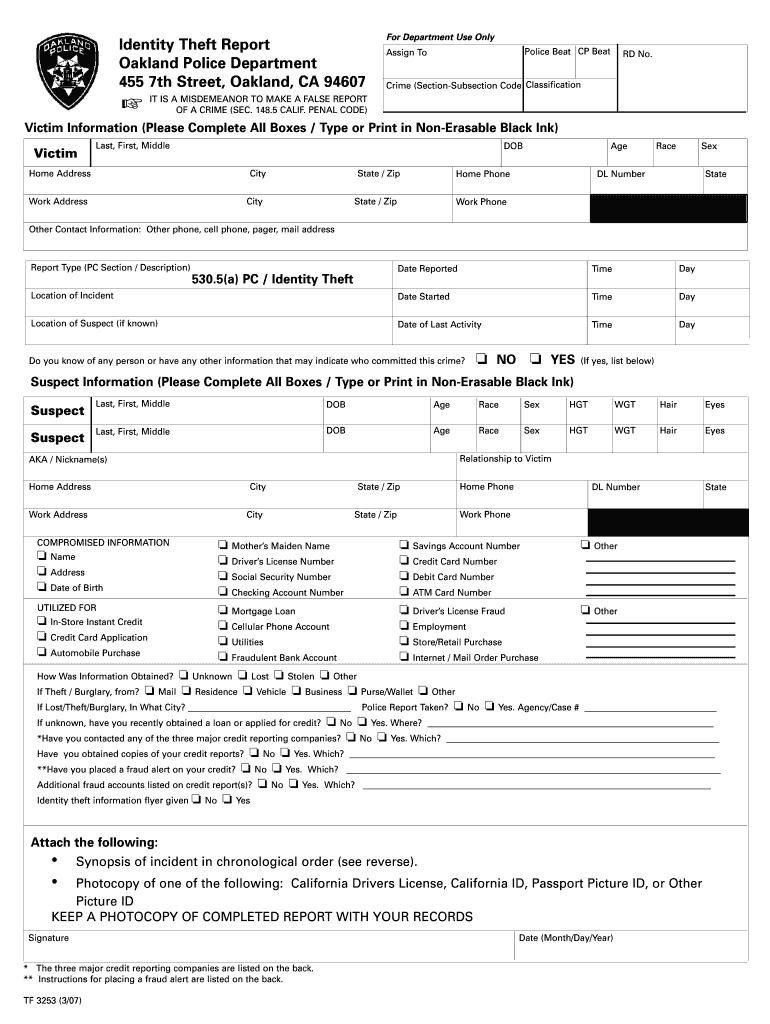
A strong intake process develops the original account and the structured record together. The narrative explains the incident; the fields make it usable across review, records, analysis, investigation, and federal reporting.
- The incident timeline and location are internally consistent.
- People, vehicles, property, and evidence are represented as distinct entities.
- Legal and NIBRS classifications are supported by captured facts.
- Required values and attributes are present before submission.
- Validation happens against the destination schema, not a generic checklist.
- The original statements and subsequent edits remain traceable.
The handoff is designed into the first question
NIBRS validation and RMS integration are important proof that information can survive the handoff, but they are not the purpose of intake. Their quality is determined much earlier. If the conversation never established whether an item was stolen or damaged, or never separated a witness from a victim, no field mapping can recover the missing distinction.
The destination data model should shape the questions asked at the beginning without exposing community members to RMS terminology. The intake agent can collect the necessary facts in ordinary language, then prepare the structure department personnel need for review and downstream use.
Design for the actions that follow
A report may move through patrol review, records, crime analysis, investigation, command staff, and external reporting. Each person needs a different part of the same incident. The original account must remain understandable, the structured information must remain dependable, and the relationship between the two must remain visible.
When those pieces arrive together, review becomes review rather than reconstruction. The department can spend less time repairing intake and more time deciding what the information means and what to do next.